Onboarding and offboarding are manual
New hires wait for access while IT works through tickets. Departures are worse: accounts, groups, licenses, and application access stay active because ownership is unclear.
IAM and IGA consulting
CyberXpro helps organizations design, modernize, and automate identity programs across cloud, hybrid, and on-premises environments. The work is practical: reduce risk, improve governance, and make identity operations easier to run.
Credibility
The team brings more than 15 years of cybersecurity and identity experience across architecture, engineering, technical leadership, consulting, and customer-facing roles.
Work spans enterprise customers, Microsoft Security and Entra ID environments, IAM, IGA, Zero Trust, cloud security, lifecycle management, access governance, and identity automation.
The Problems We Solve
Most identity problems are not exotic. They are the predictable result of growth, acquisitions, staff turnover, legacy decisions, and tools deployed under pressure. Naming them plainly is the first step to fixing them.
New hires wait for access while IT works through tickets. Departures are worse: accounts, groups, licenses, and application access stay active because ownership is unclear.
People change roles and keep what they had before. Over time, the gap between what users have and what they need becomes difficult to measure or defend.
Managers and application owners approve entitlements without context. The certification finishes, but the business still cannot explain whether access is appropriate.
HR, Active Directory, Entra ID, SaaS platforms, service desk tools, and business applications each hold part of the truth. No single view of effective access exists.
Role models and access bundles age faster than the organization. Exceptions become normal, and every request turns into a one-off judgment call.
Automation accounts, workload identities, API integrations, and emerging AI agents often hold sensitive access without lifecycle, review, or revocation discipline.
Cloud identity, legacy directories, privileged access, and application-specific workflows mature at different speeds. Each exception becomes another control gap to explain.
Findings around terminated users, privileged access, incomplete reviews, and excessive permissions return because remediation is not tied to operating ownership.
Business challenges
The visible symptom might be an audit finding or a slow access request. The cause is often buried in ownership, source data, legacy permissions, and unclear governance rules.
Joiner, mover, and leaver steps sit across HR, service desk, Active Directory, cloud platforms, and application owners. The result is slow access delivery and inconsistent removal.
Orphaned accounts, legacy groups, nested permissions, and broad entitlements make it hard to explain who has access, why they have it, and whether it is still appropriate.
Managers and application owners are asked to certify access without useful context. Reviews become a compliance ritual instead of a control that changes access.
Hybrid directories, cloud identity, SaaS applications, service accounts, and privileged access tools often mature at different speeds. Architecture decisions become harder when every platform has its own workflow.
Teams inherit roles that are too broad, too narrow, or too difficult to maintain. RBAC and ABAC need practical operating rules, not just a model on paper.
Findings around terminated users, privileged access, incomplete certifications, and excessive permissions require remediation that can survive after the audit closes.
Services
Engagements can start with strategy, a targeted problem, or hands-on delivery support. The common thread is identity work that can be governed, operated, and explained.
Set direction before committing budget, platform effort, or operating model changes.
Modernize identity foundations across cloud, hybrid, and on-premises environments.
Turn manual lifecycle steps into governed workflows that scale with the business.
Make access decisions reviewable, explainable, and tied to risk.
Reduce identity attack paths and bring discipline to sensitive access.
Bring ownership, lifecycle, and least-privilege controls to service accounts, workload identities, automation, API integrations, and emerging AI agents.
Support deployment, integration, tuning, and handoff without losing architectural intent.
Engagement models
Some organizations need a strategy reset. Others need an architect in the room, remediation pressure, or hands-on delivery support.
Organizations that need a clear view of current risk, maturity, and practical next steps.
Teams making platform, integration, or Zero Trust decisions that will shape the program for years.
Projects that need hands-on identity expertise during configuration, integration, and testing.
Security and IT leaders who need structure, sequencing, and executive-ready decision support.
Teams that need senior architecture guidance without adding a full-time role.
Programs with stalled workflows, audit findings, unclear ownership, or platform issues.
Organizations that want steady access to identity guidance as priorities and risks change.
Approach
The work begins by understanding business objectives, technical constraints, security requirements, compliance needs, and existing identity investments. From there, recommendations can be sequenced without pretending every environment starts clean.
Clarify business objectives, security drivers, compliance commitments, existing investments, and the decisions that need to be made.
Review architecture, processes, access data, integrations, operational pain points, and control gaps with both technical and business context.
Create target-state patterns, governance rules, workflow designs, and phased implementation plans that teams can execute.
Support configuration, automation, integrations, application onboarding, and remediation while keeping the architecture grounded.
Test controls, review access outcomes, confirm audit evidence, and tune workflows before they become operational muscle memory.
Document ownership, runbooks, decision rights, metrics, and handoff practices so identity operations can keep improving.
Technology experience
These are areas of hands-on experience and supported ecosystems, not a claim of partnership with every vendor. The work is to select, integrate, govern, and operate the right controls for the environment.
Architecture, modernization, authentication, conditional access, directory dependencies, and application onboarding across cloud and hybrid identity environments.
Governance operating models, certification design, entitlement cleanup, role strategy, evidence quality, and practical access review workflows.
Identity controls that account for cloud platforms, legacy infrastructure, administrative access, workload identities, AI-enabled services, and hybrid migration constraints.
Joiner, mover, and leaver automation grounded in authoritative HR data, service management workflows, approvals, and exception handling.
Risk reduction for privileged identities, service accounts, non-human identities, standing access, sensitive groups, and identity attack paths.
Integration and automation patterns for SSO, federation, provisioning, application onboarding, AI agent access, workflow orchestration, and operational handoff.
Sample engagement scenarios
These scenarios are illustrative examples, not claims about specific customer projects.
Scenario control plane
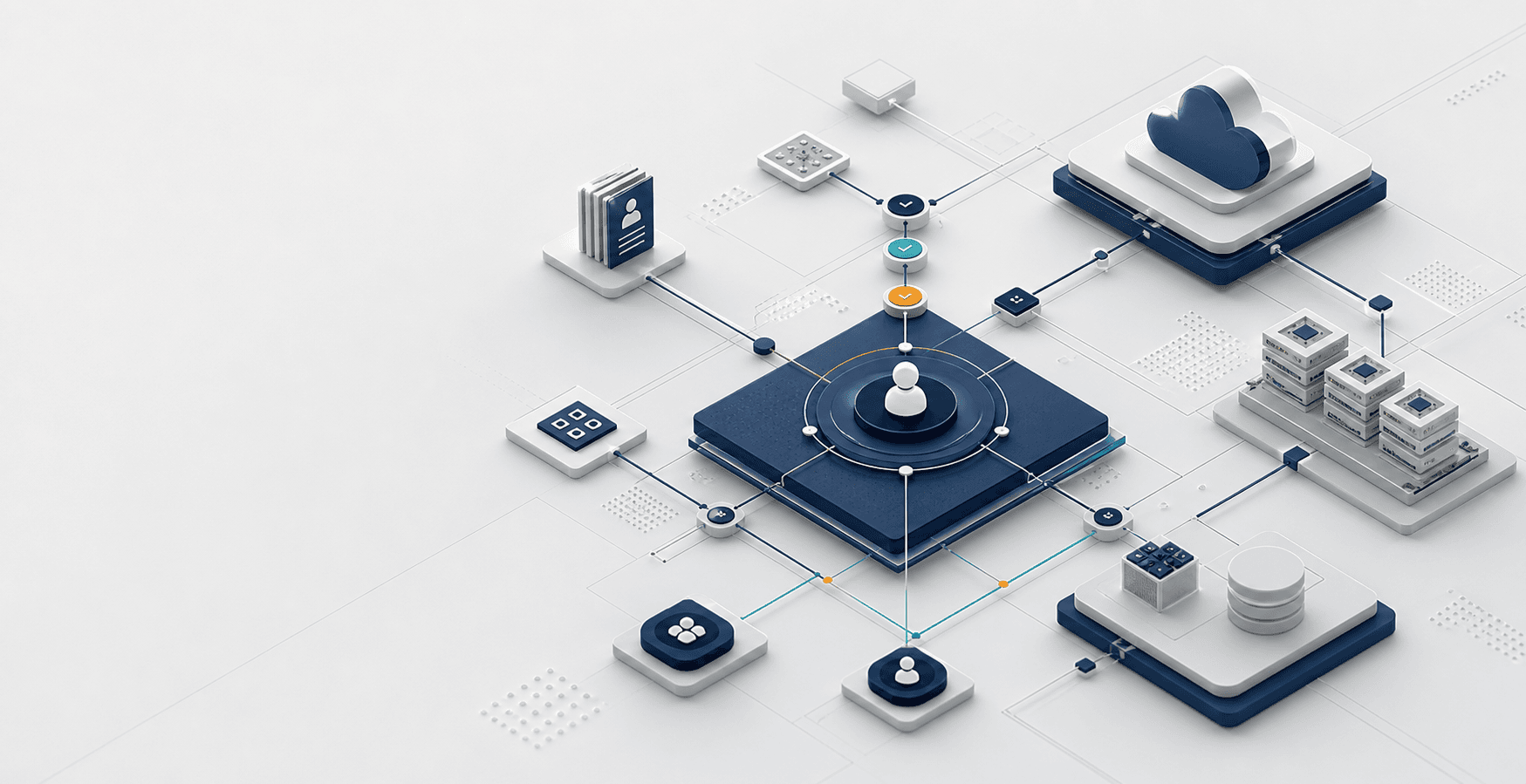
Lifecycle events, access decisions, privileged accounts, and audit evidence move through the same governance view instead of living in separate tools and tickets.
About
CyberXpro brings together senior identity and cybersecurity practitioners with experience from Microsoft, Okta, SecureAuth, and enterprise consulting environments. That background matters because identity programs have to work for executives, engineers, auditors, application owners, and the teams who operate them every day.
The team has worked with major IAM, IGA, and Microsoft Security solutions, including Microsoft Entra ID, Active Directory, lifecycle management, access governance, automation, Zero Trust architecture, Azure, AWS, and enterprise integrations. Platform experience is used to give practical guidance, not to force a one-vendor answer.
The style of work is direct and collaborative: understand the environment, make the risk visible, design controls that can be run, and help teams move from fragmented identity activity to a program with clear ownership.
Insights
Short-form guidance on the decisions that determine whether identity programs become sustainable controls or recurring cleanup projects.
Lifecycle work often stalls when ownership, source data, exception handling, and application onboarding are treated as afterthoughts instead of design inputs.
A useful assessment starts with application scope, entitlement meaning, review evidence, remediation history, and the decisions owners are expected to make.
Most organizations need a practical mix of roles, attributes, policy rules, and governance processes rather than a pure model that looks better on a diagram.
Dormant identities and unclear account ownership are usually symptoms of lifecycle gaps, weak application inventory, and inconsistent deprovisioning controls.
Hybrid identity programs need controls that account for Active Directory, cloud identity, SaaS applications, privileged access, and legacy dependencies.
Automation and AI agents still need accountable ownership, scoped permissions, lifecycle controls, audit trails, and a reliable way to revoke access.
Contact
Share the identity challenge, decision, or project you are working through. After submission, the next step is a practical conversation about goals, constraints, timing, and where senior identity help would have the most value.
Please avoid sending credentials, regulated personal data, or confidential production details through the form.